Each year millions of Koreans celebrate the Lunar New Year Holiday. The holiday brings families together for a day of tradition including bowing to elders (left photo), ancestor rites, food, and games (right photo).
By Don Southerton, BCW Editor New Urbanism: Smart, Sustainable Growth -- Fantasy Vs. Reality Guest Post By Don Southerton As mentioned in a previous Forbes guest article, I live in Belmar, a new urbanism community in Colorado. With today’s global and often virtual workplace, about half my day centers on Korea. Between trips to Seoul and being highly involved in Korea-facing business I’ve long observed Korean trends toward quality of living, green and sustainability. For example, trendy Korean Starbucks asks patrons to separate their trash from hot liquids—not trashing unused coffee with the paper waste—soggy paper is hard to re-cycle. I also support Korean manufacturers like Hyundai and Kia Motors. I see them striving to produce the next generation of green and sustainable cars: Outside the hybrids, eCars, and Fuel Cell Electric Vehicles (FCEV), the materials now used in the assembly of the vehicles are increasingly eco-friendly along with a bold program for the recycli...
추석 Chuseok-Korean Thanksgiving Holiday Thanksgiving is a holiday celebrated all over the world at different times of the year and in different ways. For Koreans, the traditional Thanksgiving Holiday is called Chuseok. This year is falls on Tuesday September 25. Most South Korean firms will close for Monday, Tuesday, and Wednesday. Celebrated for centuries as the lunar-based (fifteenth day of the 8th lunar month) Fall Harvest Festival, Chuseok is among the most important of Korean holidays, a day filled with family and tradition. Millions of Koreans travel to join their family and celebrate traditional customs of Chuseok, including ancestral memorial rituals, followed by a day of special foods and family-focused activity. One of the most popular of the traditional foods is song pyeon, which is a pine needle-flavored half moon-shaped rice cake. In Korea, during the days prior to the actually holiday, streets and stores are packed with shoppers buying food and gifts. Gift-giving is an imp...
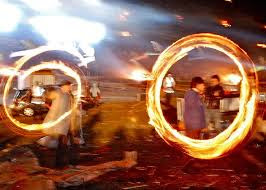
Many of us enjoy learning about the culture and traditions of Korea amid an ever-changing society. This week, on February 19, Daeboreum is observed, celebrating the first full moon of the Lunar New Year. BTW, historic mentions of Daeboreum date back to the 1200s. Daeboreum (대보름) literally means “great full moon”. Daeboreum Festival As a cultural observance, Daeboreum is accompanied by tradition, rituals, and foods. As with all cultures, some practices remain more common than others…and there are often variations. That said, in recent years festivals have sought to preserve their traditions. Common practices may include: It's popular to crack nuts (usually peanuts and walnuts) with your teeth, tradition that this will keep your teeth healthy as well as other ills away for the year. People will cross back and forth on the walk bridges in the evening, the belief that it will mak...



Comments
Post a Comment